Case study
Seating 4,000 guests without a printed list
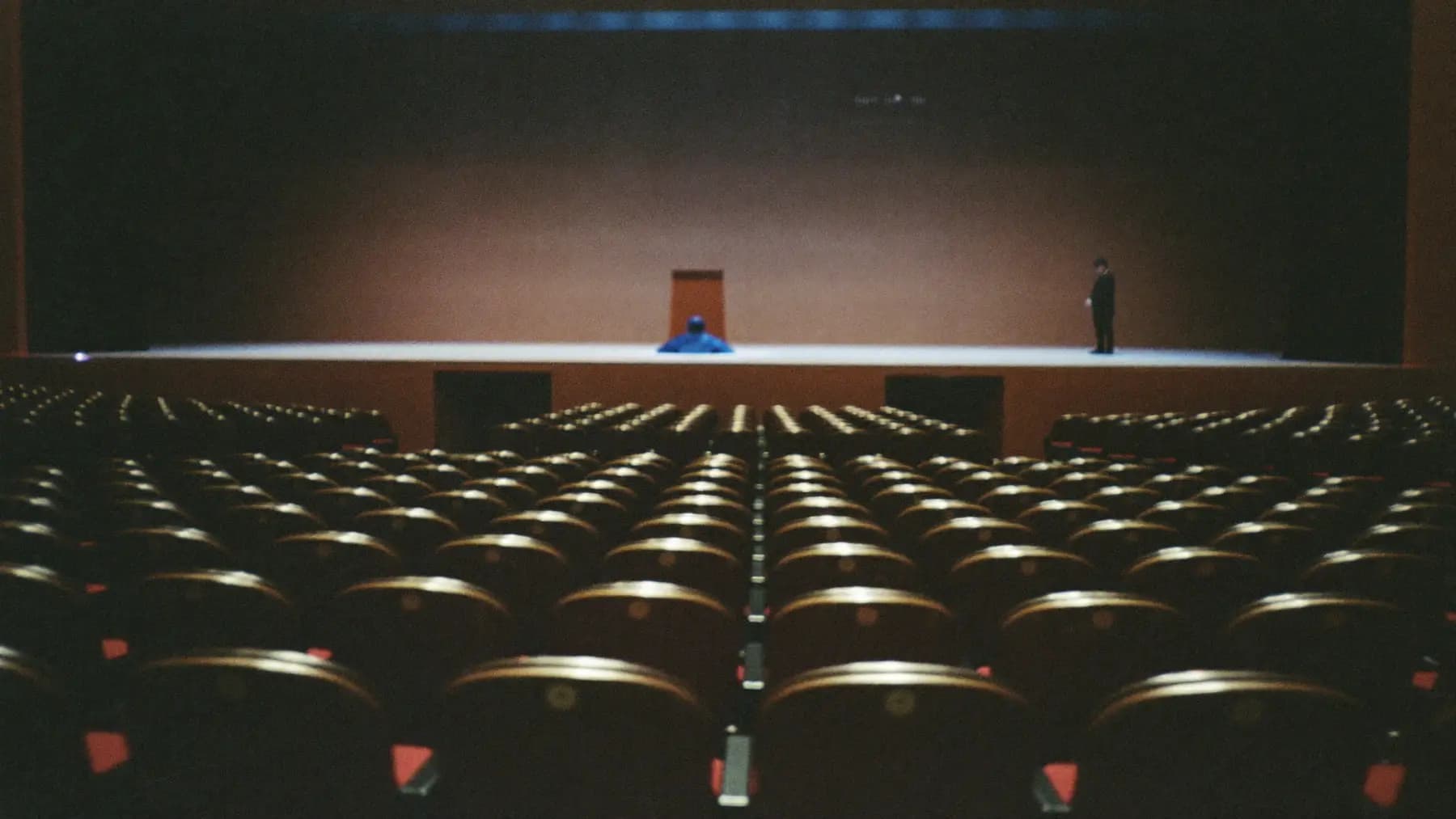
An engineering institute's convocation put 4,000 guests into allocated seating across two halls. QR access at the door replaced the printed guest lists that had caused the previous year's overflow.
The challenge
What was actually wrong
Convocation guests arrive in families, at once, in a narrow window before a fixed ceremony start. The previous year's printed lists at the door produced a crush at the main entrance and around 200 guests seated in an overflow room with no view.
Approach
How we sized it
We moved allocation upstream. Each graduate received a fixed number of guest QR codes at registration, each tied to a specific hall and block. The door became a scan rather than a lookup, and capacity was enforced at the reader rather than by a steward counting.
Deployment
What went on the floor
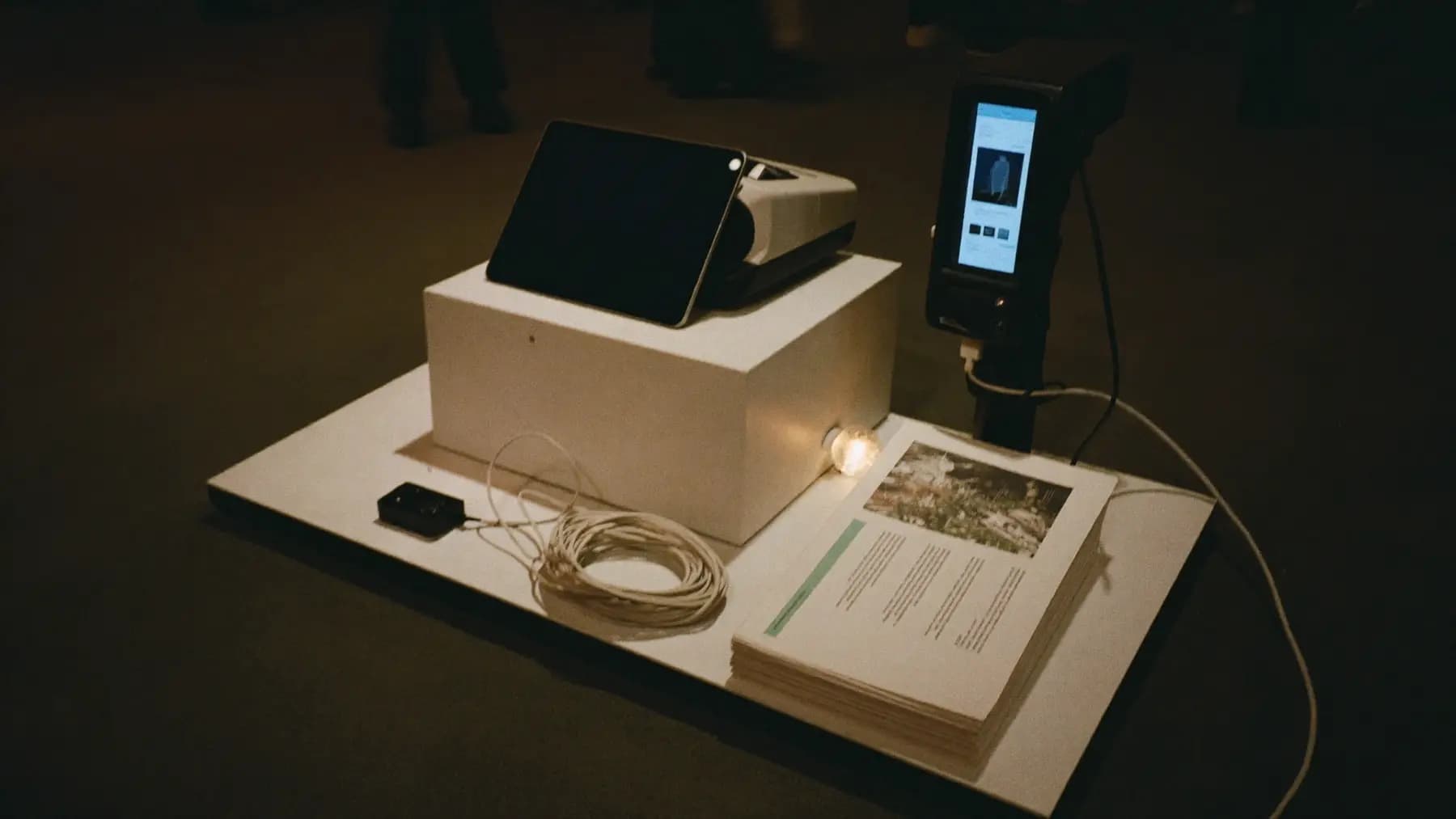
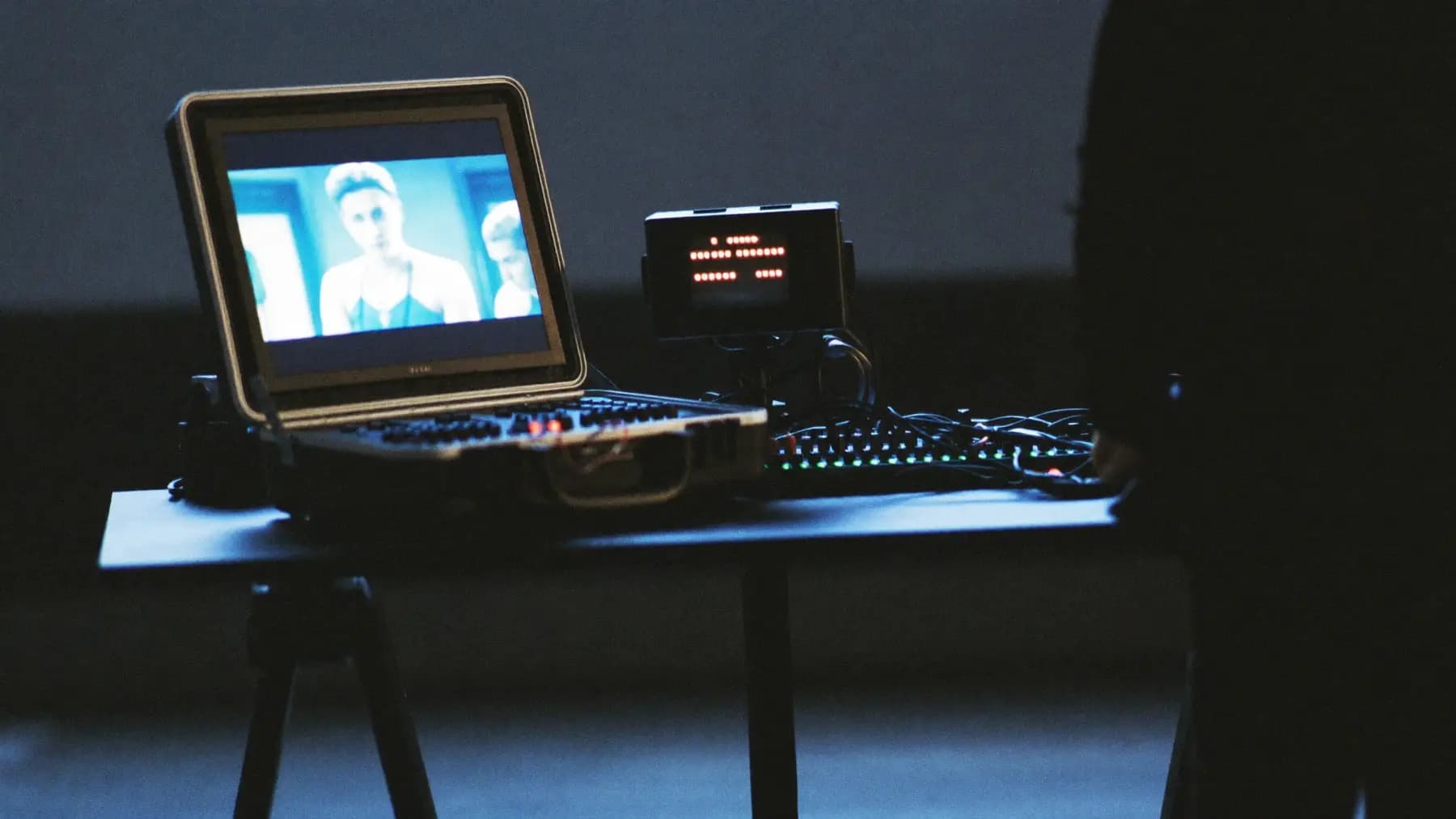
Eight QR lanes across two entrances, with tier logic enforcing hall and block at the reader. A live occupancy board in the control room showed both halls filling in real time, which let the team open the second hall's side doors eleven minutes earlier than planned.
Results
What we measured
Guests seated
To seat both halls
Overflow incidents
More work
Other deployments
Let's build the room
Send us the date, the city and the headcount. We come back with sizing, staffing and a costed range.