Streaming & Hybrid
Same-day cuts change what your event is worth to sponsors
Footage delivered three weeks later is an archive. Footage delivered the same evening is still news, and sponsors price it differently.
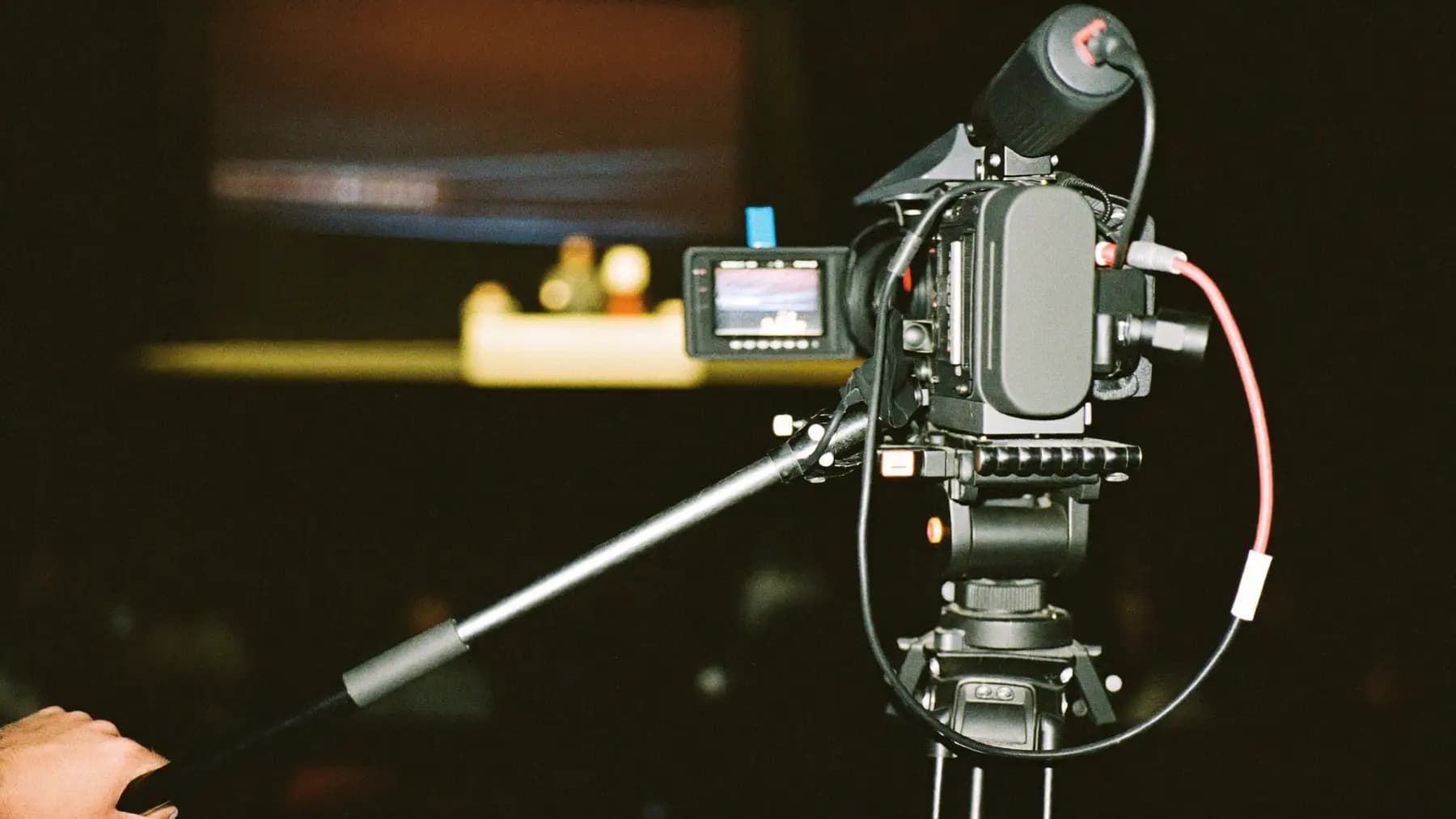
Hero art direction: Broadcast camera and small monitor at the back of a hall, cables taped down the riser, stage warm in the far distance.
The value of event footage decays in days
A highlight reel published the evening of day one drives attendance on day two, gets shared while people still have the event in their feed, and gives sponsors something to post while the hashtag is alive.
The same reel delivered three weeks later goes into a folder.
This is not a marginal difference in effectiveness. It changes what the media package is worth, which changes what a sponsor will pay for it.
What same-day actually requires
Not more crew. Different sequencing.
Shoot to a shot list, not for coverage. The edit is fast when the material is known. Agree the three deliverables before the event — a 60-second highlight, a set of sponsor-branded stills, a two-minute day-one recap — and shoot specifically for those.
Edit on site. Card-to-timeline in the same building, with a second editor starting the assembly while the first session is still running. The transfer time from card to a distant edit suite is often the largest single delay in the whole chain.
Pre-build the templates. Titles, lower thirds, sponsor end-cards and the aspect-ratio variants should exist before day one. On the day the editor is placing clips, not designing.
Agree approval before you need it. One named approver, reachable, with a 30-minute window. The most common cause of a missed same-day deadline is a finished cut waiting for a decision.
The stills matter more than the video
Photography turns around faster and gets used more. A gallery published by lunchtime, searchable so delegates can find themselves, produces more sharing than any video.
If delegates can find their own photograph, they post it. That is the entire mechanism, and it is worth more reach than the highlight reel — but only if the gallery is up while they are still at the event.
What to tell sponsors before they sign
Be specific about what they get and when, because vagueness here is what produces the post-event complaint:
- Which sessions are filmed, and from how many angles
- What branding appears, where, and on which deliverables
- Delivery times — same-day, next-day, final
- Usage rights and for how long
- Whether they get raw footage or finished cuts only
A sponsor who knows they receive a branded 60-second cut by 20:00 on day one is buying something concrete. A sponsor promised "post-event media coverage" is buying a disappointment they have not had yet.
Set the deadline before the event, not after
Same-day only happens if it is a commitment made in advance, with the crew, the kit and the approval path built around it.
Decided on the day, it becomes a favour asked of a tired editor at 21:00, and it produces a cut nobody is proud of.
Questions we get
Follow-ups
01How many crew does same-day delivery need?
For a single-track conference: two camera operators, one photographer and one editor on site. The editor is the addition most people skip, and it is the one that makes same-day possible. Adding a third camera without an on-site editor makes the delay worse, not better.
02Can delegates find themselves in the gallery automatically?
Yes, with face-based search — a delegate uploads a selfie and receives their photographs. It needs to be opt-in, disclosed in the privacy notice, and the biometric templates need a stated retention period. Under the DPDP Act this is sensitive processing and it needs to be handled as such, not bolted on.
03What is a realistic same-day deadline?
Stills by two hours after the session. A 60-second highlight by 20:00 on the day. A full session recording, lightly topped and tailed, by the following morning. Anything faster than that on a multi-track event usually means quality is being traded for the deadline.
Talk to the team that runs this on the floor
Send the date, the city and the headcount. We reply with numbers.
Further reading
Was this useful?