Event Operations
Most event apps are downloaded by a third of delegates. Here is why
Adoption is decided before the event by two things: what the app is for, and how hard it is to get into.
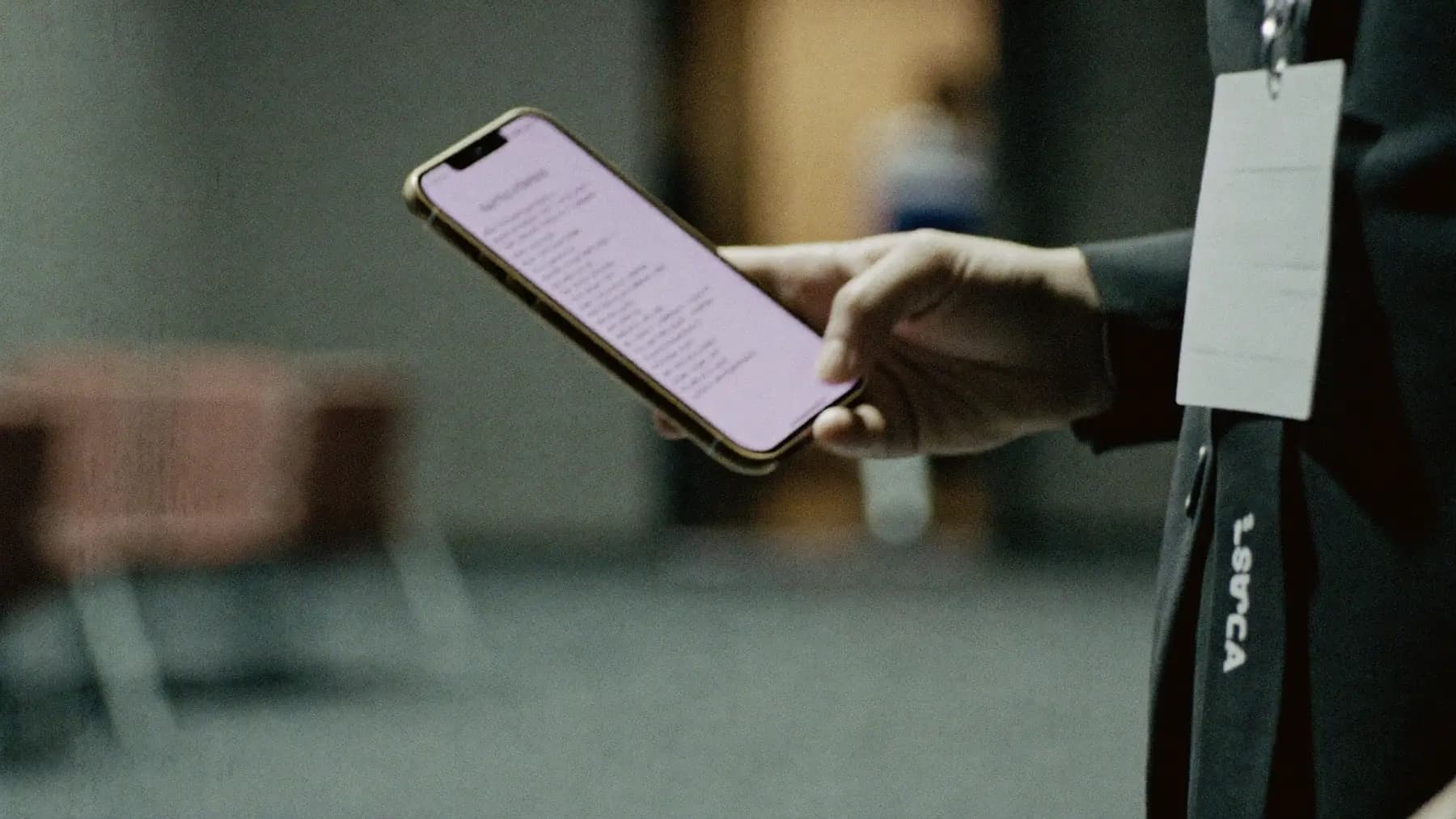
Hero art direction: A delegate's hand holding a phone at a conference, lanyard and badge at frame edge, session room blurred behind.
An app has to be worth the friction
Downloading an application, creating an account and verifying an email is a meaningful amount of work to ask of someone standing in a registration queue. If what waits on the other side is a PDF agenda, they will not do it, and they are right not to.
Adoption is not a marketing problem. It is a value problem, and it is decided when you choose what the app does.
What actually drives delegates to install
A personal schedule they built themselves. The single strongest driver. If a delegate has selected sessions in advance, the app holds something that exists nowhere else.
Their badge, or entry. If the app is how you get in, adoption approaches total. This is the strongest possible mechanism and it needs a robust fallback for the delegates who cannot or will not install anything.
Messaging other delegates. Powerful at events where networking is the point; irrelevant where it is not.
Live changes. A room change pushed to the phone is genuinely useful — but only if changes actually happen. At a tightly-run event with a stable agenda, this is a promise that never pays out.
Session materials and recordings. Drives a second wave of adoption after the event, which is when most apps are already uninstalled.
What does not drive adoption
The agenda alone. A venue map alone. A sponsor directory. A gamified points system nobody asked for.
These are all reasonable features and none of them is worth an install on its own.
Remove the friction you control
No account creation. The delegate already registered. A magic link to their registered email, or a QR on their badge that logs them in, removes the largest single drop-off point.
Web first where you can. A well-built responsive web app needs no store visit, no download and no update, and works on the devices that struggle with store installs. Reserve a native app for when you genuinely need offline access, push notifications or Bluetooth.
Send the link at the right moment. Not at registration eight weeks out, when the event is abstract. Send it with the joining instructions the day before, when the delegate is thinking about logistics.
Measure the right number
Downloads is the vanity number. What matters:
- Share of attendees who opened it on the day
- Median sessions viewed per active user
- Share who built a personal schedule — the strongest predictor of return use
A 35% install rate with high daily engagement is a better outcome than 70% installs that were opened once in the queue and never again.
Be prepared to not build one
For a single-day, single-track event of 300 people, a printed agenda and a good mobile web page will serve delegates better than an app, and will cost a fraction.
The app earns its place when there is genuine complexity to navigate — parallel tracks, multiple buildings, a schedule that changes, or networking that needs a directory.
Questions we get
Follow-ups
01Native app or mobile web?
Mobile web unless you need offline access, push notifications or Bluetooth proximity. Web removes the store install, which is the largest drop-off in the funnel. If the app is also the entry credential, native is usually worth it for the offline guarantee.
02How far in advance should the app open?
Two weeks, with the agenda populated. Earlier and delegates open an empty shell and form a low opinion. The schedule-building behaviour that drives return use needs the full programme to be there.
03What about delegates who will not install anything?
Every app-only path needs a non-app equivalent — printed badges, a printed agenda, a help desk that can answer anything the app answers. Treat the app as the fast path rather than the only path, especially where accessibility or corporate device policies are involved.
Talk to the team that runs this on the floor
Send the date, the city and the headcount. We reply with numbers.
Further reading


Was this useful?